
A community of hope,
EQUIPPING EACH OTHER TO SEEK & SERVE CHRIST IN ALL PEOPLE, WITHOUT PREJUDICE.




Welcome to St. Chris
-
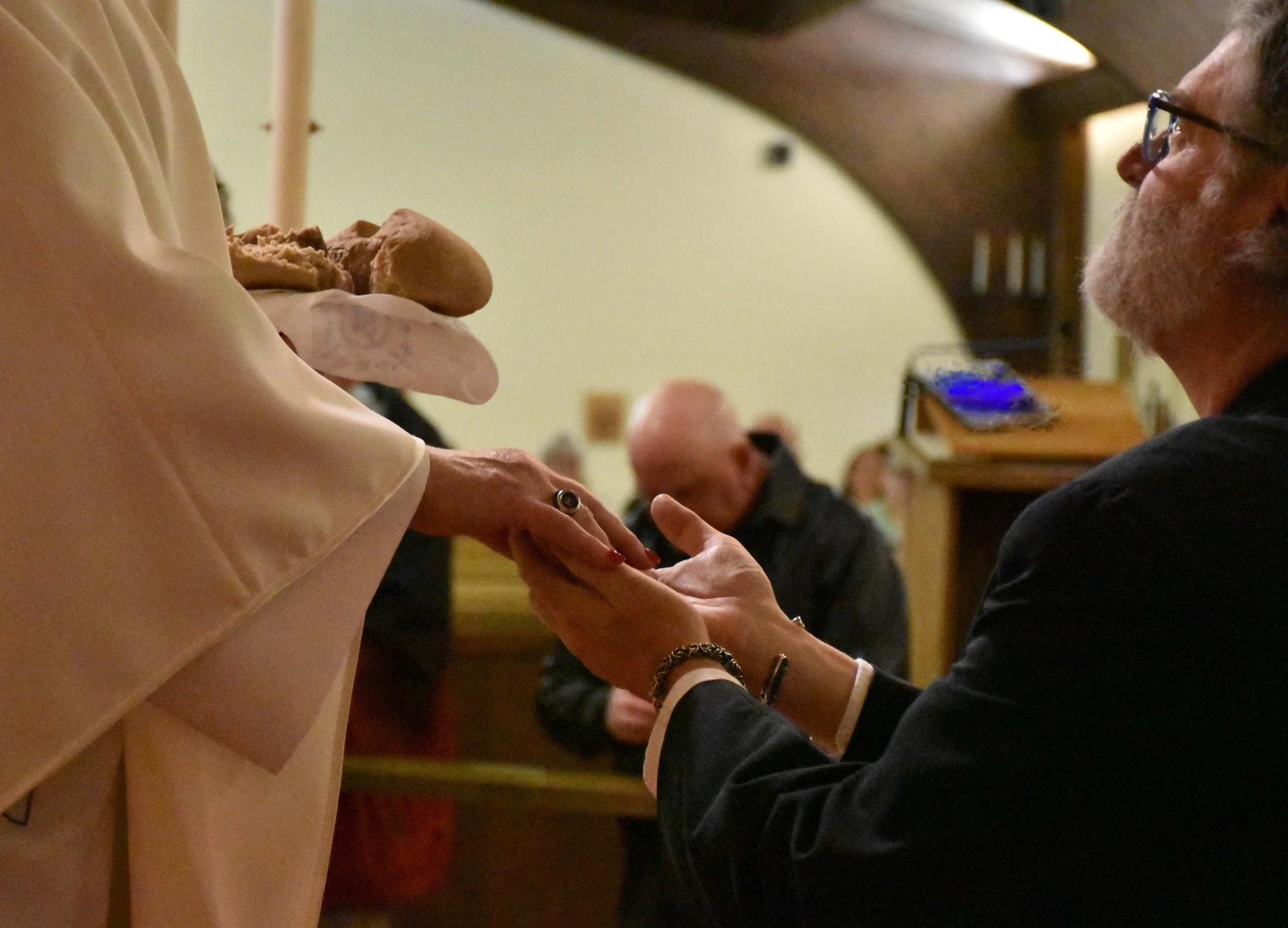
Join us every Wednesday evening for Eucharist and a healing service using the Litany of Healing. Everyone and their special prayers are welcome. At 6P we gather for centering prayer.
-
The Rite I liturgies reflect the language and piety of the Elizabethan era and the first BCP, although the structure of these liturgies also reflects the influence of modern liturgical scholarship. This is a spoken service, without music.
-
The Rite II liturgies reflect more fully the influence of the liturgical movement and contemporary theology. Rite II liturgies tend to reflect greater sensitivity to inclusive language issues. This service includes instrumental and choral music. Children’s Sunday School is available during the first half of the service.


WEDNESDAY & SUNDAY
Weekly Services
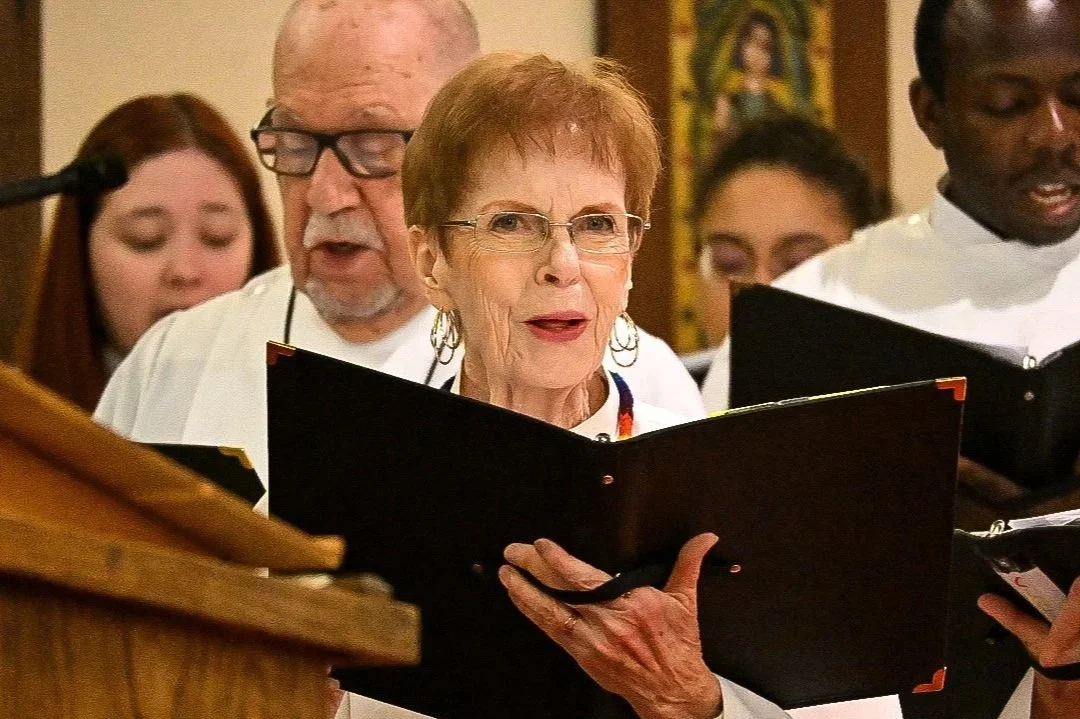
We gather together on Sunday morning and Wednesday evening to worship and serve Christ, living in community with God and our neighbors. We strive to welcome without prejudice, including those exploring Christianity, veteran Episcopalians, children of all ages, and adults at all stages.
2807 42ND STREET, 79413
Lubbock, TX
Located in the Wheelock & Monterey neighborhood of Central Lubbock, on the corner of 42nd Street & Elgin Avenue. Our building and parish have a rich history.
What we value
Hospitality
Hospitality is the work of the church, rooted in active, unconditional acceptance. Our doors are open to all people, regardless of race, orientation, housing status, or station in life. To seek and serve Christ in all people means not only greeting others, but ensuring that every person who enters our church is seen, respected, and fully included.
Our Episcopal Church community is bonded by worship and education. We gather together on Sunday morning and Wednesday evening to worship and serve Christ, living in community with God and our neighbors, and strive to welcome without prejudice, including those exploring Christianity, veteran Episcopalians, children of all ages, and adults at all stages.
Community
Hope
Hope is found in the meaningful connections we build. We celebrate curiosity and welcome newcomers with a spirit of love, support, and acceptance. St. Christopher’s is proud to offer a place where you can be your authentic self; where all are empowered to come together and live in Christ.

What we believe
As Episcopalians, we believe in and follow the teachings of Jesus Christ, whose life, death, and resurrection saved the world.
We believe that God loves you – no exceptions!
The Episcopal Church embraces a legacy of inclusion, aspiring to tell and exemplify God’s love for every human being; people of all genders and sexual orientations serve as bishops, priests, and deacons in our church. Laypeople and clergy work together in leadership and governance.
You can read more about our beliefs here.
Hope +
Healing
Events
Connect with Us
Clergy and Staff
-
![Rector Rev. Rachel Petty smiling in front of many books.]()
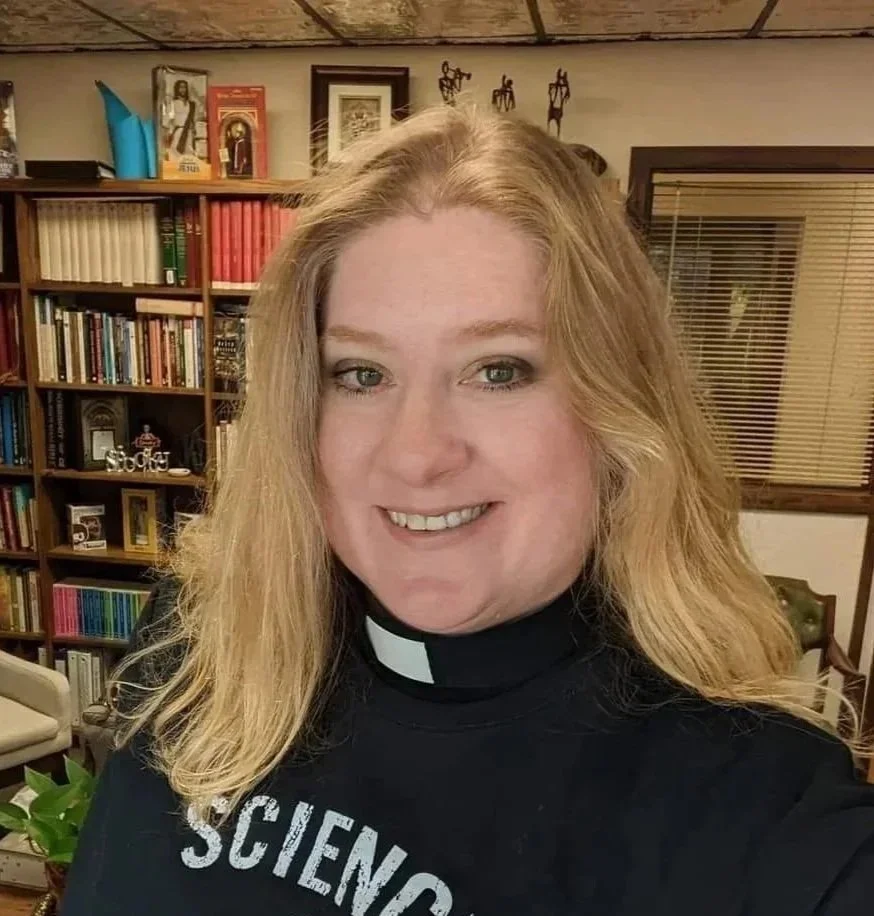
The Rev. Rachel Petty
RECTOR (2021–)
A West Texas native with a love for quirky stories and people, our rector is thrilled to be a part of the ministry and outreach of St. Christopher’s. She grew up in a clergy family and served in law enforcement as an adult probation officer for 28 yeas. Her dog, Parish, works at the church most mornings as door greeter and food sniffer.
-
![Deacon Rev. Melissa Wafer-Cross in front of a stained glass window.]()
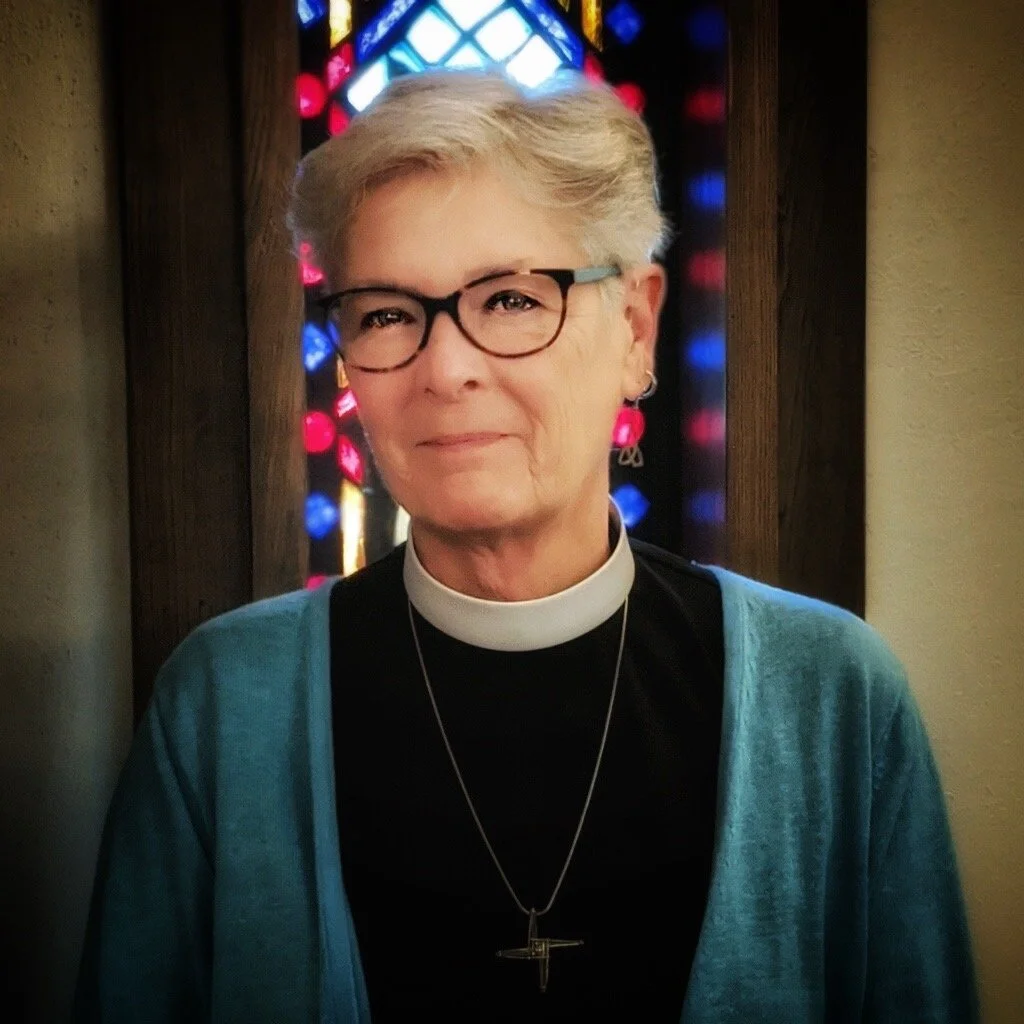
The Rev. Melissa Wafer-Cross
DEACON (1999–)
Born in El Paso, our deacon is grateful for her hometown’s cultural diversity and rugged mountains. She is a former educator who attended Texas Tech and served in the Peace Corps in Peru and Brazil post-graduation.
-
![Rev. Dann Wigner smiling in the church.]()
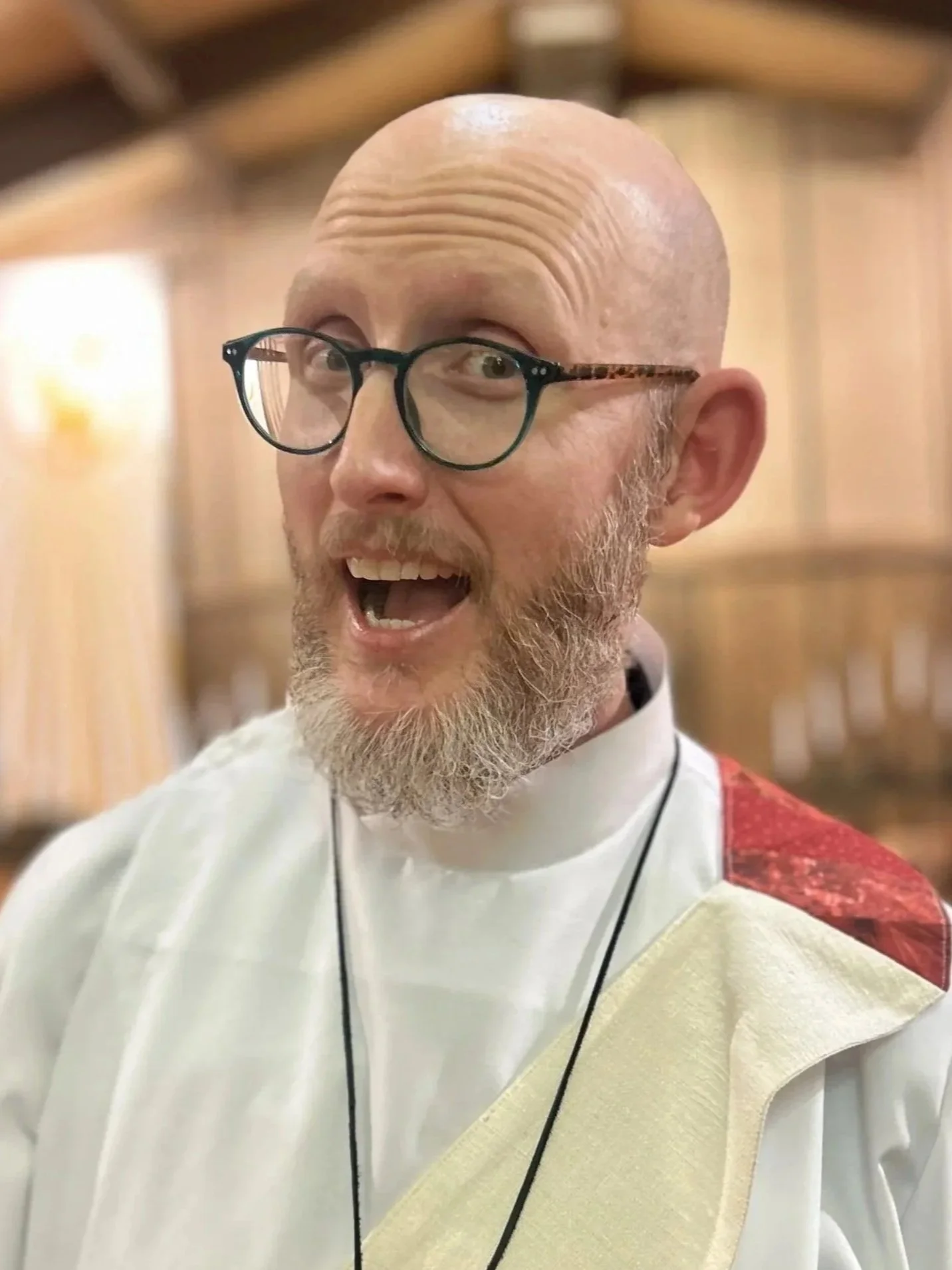
The Rev. Dann Wigner
DEACON (2025–)
Raised at a very young age in Lubbock, TX, a city he can’t stay away from (despite moving multiple times), our deacon is a professor, academic expert in mystical theology, writer, and a former librarian. He is usually either praying or stirring up trouble, and he spends a lot of time in ministries of spiritual direction in one-on-one and group contexts.
-
![Jordan plays the organ with a baby goat.]()
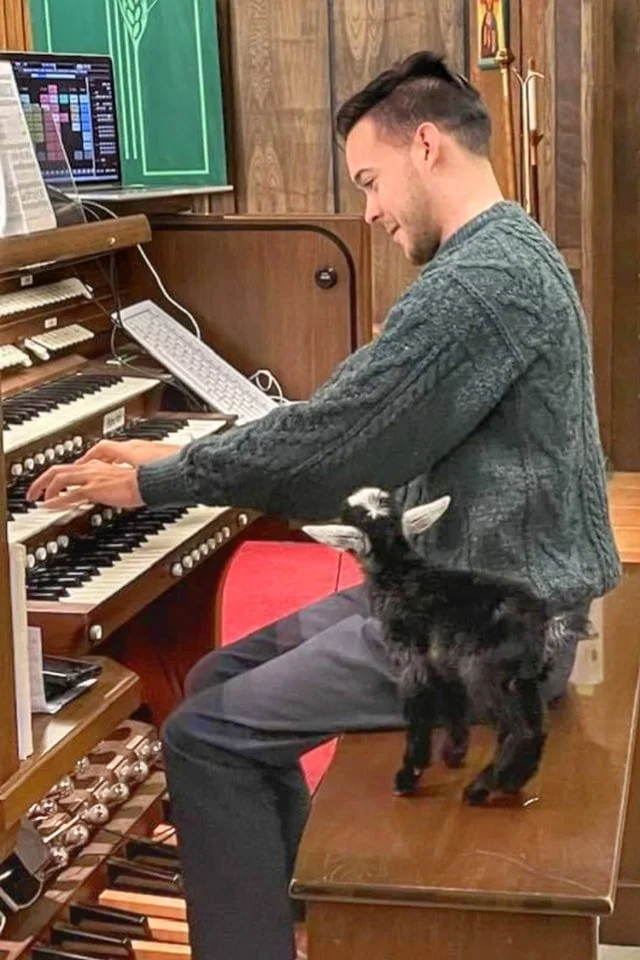
Mr. Jordan Langehennig
ORGANIST AND CHOIR DIRECTOR
Our organist and choir director graduated from Texas Tech University with degrees in English and Music. He is a professional highland bagpiper who specializes in wind, string, electronic, folk, and obscure instruments. As shown, he takes “Bring Your Kid to Work Day” seriously.