Beliefs

God
We believe in one God, the Father Almighty, creator of heaven and earth, of all that is, seen and unseen. We believe in one Lord, Jesus Christ, the only Son of God, eternally begotten, not made, of one Being with the Father. He was conceived by the power of the Holy Spirit and born of the Virgin Mary. He suffered under Pontius Pilate, was crucified, died, and was buried. He descended to the dead. On the third day he rose again. He ascended into heaven and is seated at the right hand of the Father. He will come again to judge the living and the dead. We recognize the presence of the Holy Spirit when we confess Jesus Christ as Lord and are brought into love and harmony with God, ourselves, our neighbors, and all creation.
The Bible
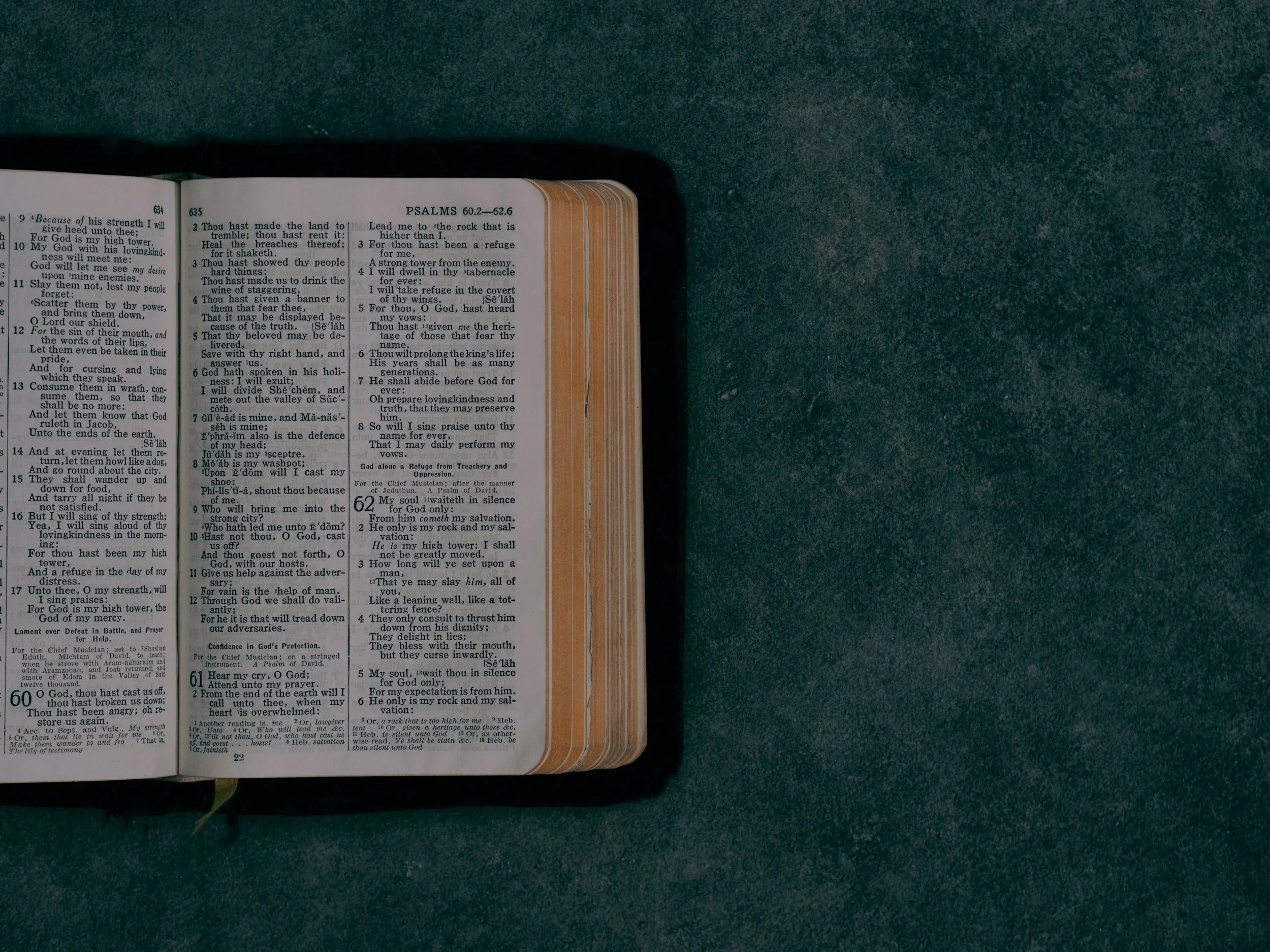
The Bible is our foundation, understood through tradition and reason, containing all things necessary for salvation. The Bible is of extraordinary importance to Episcopal worship; during a Sunday morning service, the congregation will usually hear at least three readings from Scripture, and much of the liturgy from The Book of Common Prayer is based explicitly on the Biblical texts. According to the Catechism, “We understand the meaning of the Bible by the help of the Holy Spirit, who guides the Church in the true interpretation of the Scriptures.” (p. 853-4) We call Scripture the Word of God because God inspired
their human authors and because God still speaks to us through the Bible.
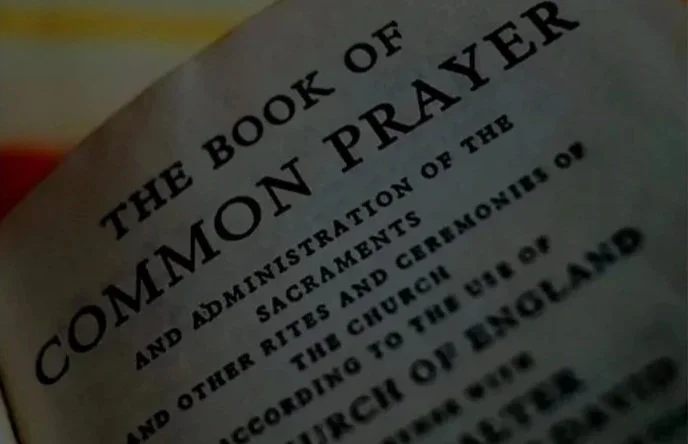
Book of Common Prayer
The Book of Common Prayer is the prayer book used by the Episcopal Church. It is a treasure chest full of devotional and teaching resources for individuals and congregations, but it is also the primary symbol of our unity. We, who are many and diverse, come together in Christ through our worship, our common prayer. It also contains the Catechism found in the back of The Book of Common Prayer (pp. 845-862), which helps teach the essential truths of the Christian faith and how Episcopalians live those truths.
Human Nature
We are part of God's creation, made in the image of God. We are free to make choices: to love, to create, to reason, and to live in harmony with creation and with God. From the beginning, human beings have misused their freedom and made wrong choices, separating us from God and harmonious living. Our help is in God, who first helped us by revealing himself and his will, through nature and history, through many seers and saints, and especially the prophets of Israel. All people are worthy of respect and honor, because all are created in the image of God, and all can respond to the love of God.
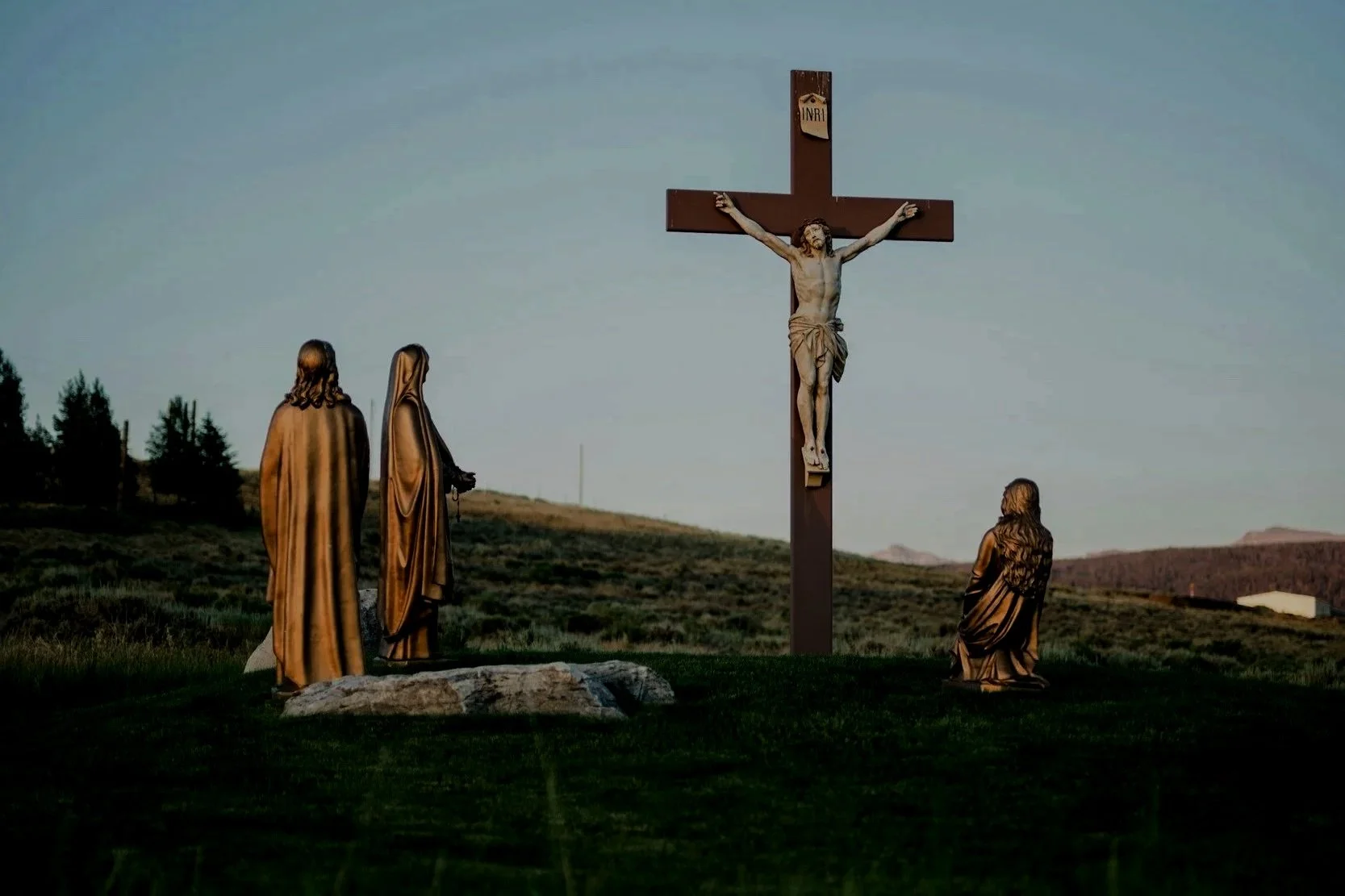
Jesus Christ
Jesus Christ of Nazareth, the Messiah, is one sent by God to free us from the
power of sin, so that, with the help of God, we may live in harmony with God and all creation. Sin is the seeking of our own will instead of the will of God, thus distorting our relationship with God and with all creation. Jesus is the only perfect image of the Father and shows us God's true nature: that God is love. The divine Son became human, so that in him human beings might be adopted as children of God, and be made heirs of God's kingdom. By his obedience, even to suffering and death, Jesus made the offering which we could not make; in him we are freed from the power of sin and reconciled to God. By his resurrection, Jesus overcame death and opened for us the way of eternal life.
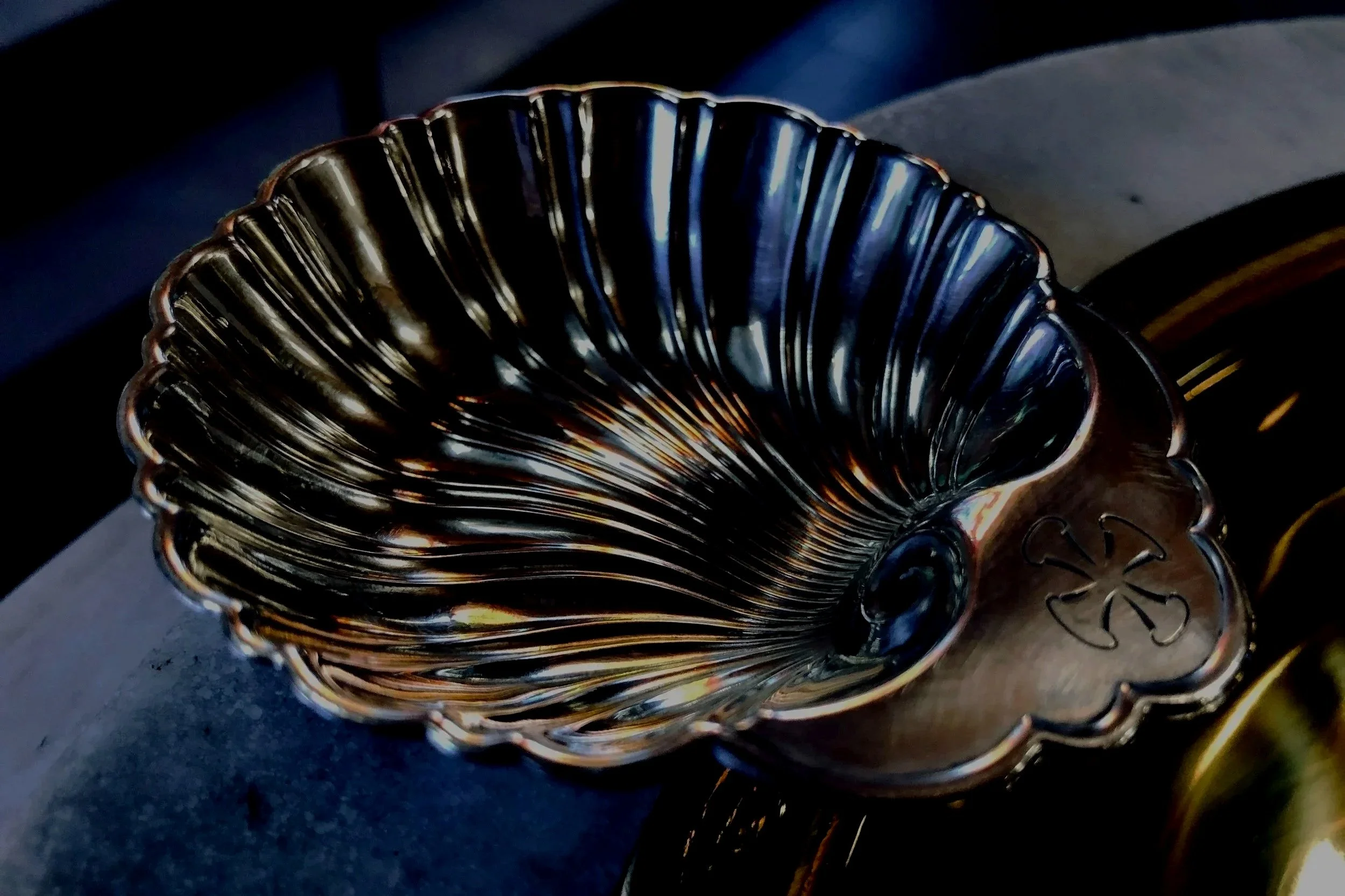
Baptism
In the waters of baptism, we are lovingly adopted by God into God’s family, which we call the Church, and given God’s own life to share and reminded that nothing can separate us from God’s love in Christ. Holy Baptism, which can be performed through pouring of water or immersion in it, marks a formal entrance to the congregation and wider Church; the candidates for the sacrament make a series of vows, including an affirmation of the Baptismal Covenant, and are baptized in the Name of the Father, Son, and Holy Spirit. They are marked as Christ’s own for ever, having “clothed [themselves] with Christ” (Galatians 3:27).
Communion
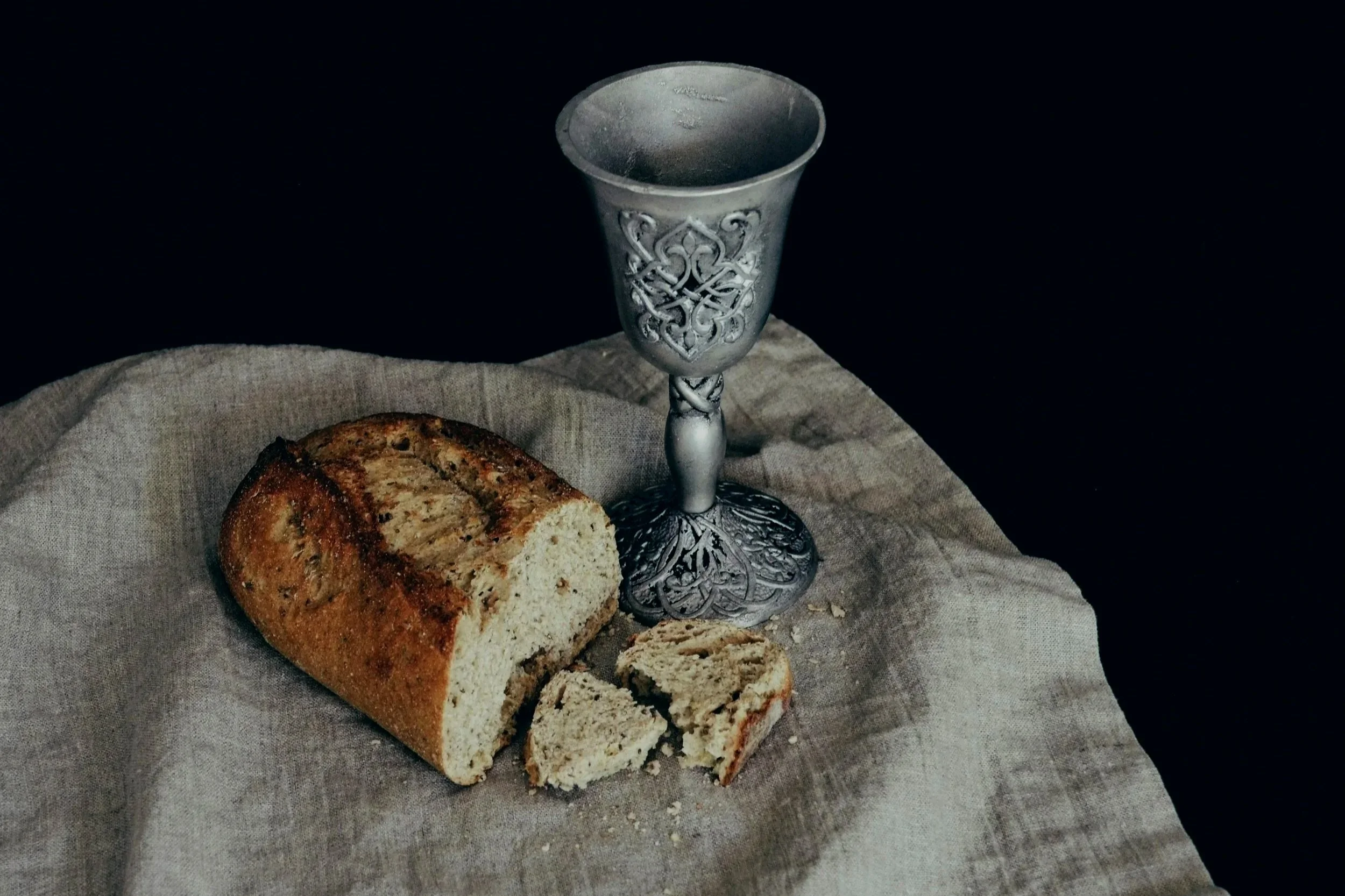
It goes by several names: Holy Communion, the Eucharist (which literally means “thanksgiving”), the Lord’s Supper, the Mass. But whatever its formal name, this is the family meal for Christians and a foretaste of the heavenly banquet. As such, all persons who have been baptized, and are therefore part of the extended family that is the Church, are welcome to receive the bread and wine, and be in communion with God and each other.
Before we come to take Communion together, “we should examine our lives, repent of our sins, and be in love and charity with all people” (Book of Common Prayer, p. 859).
The Church
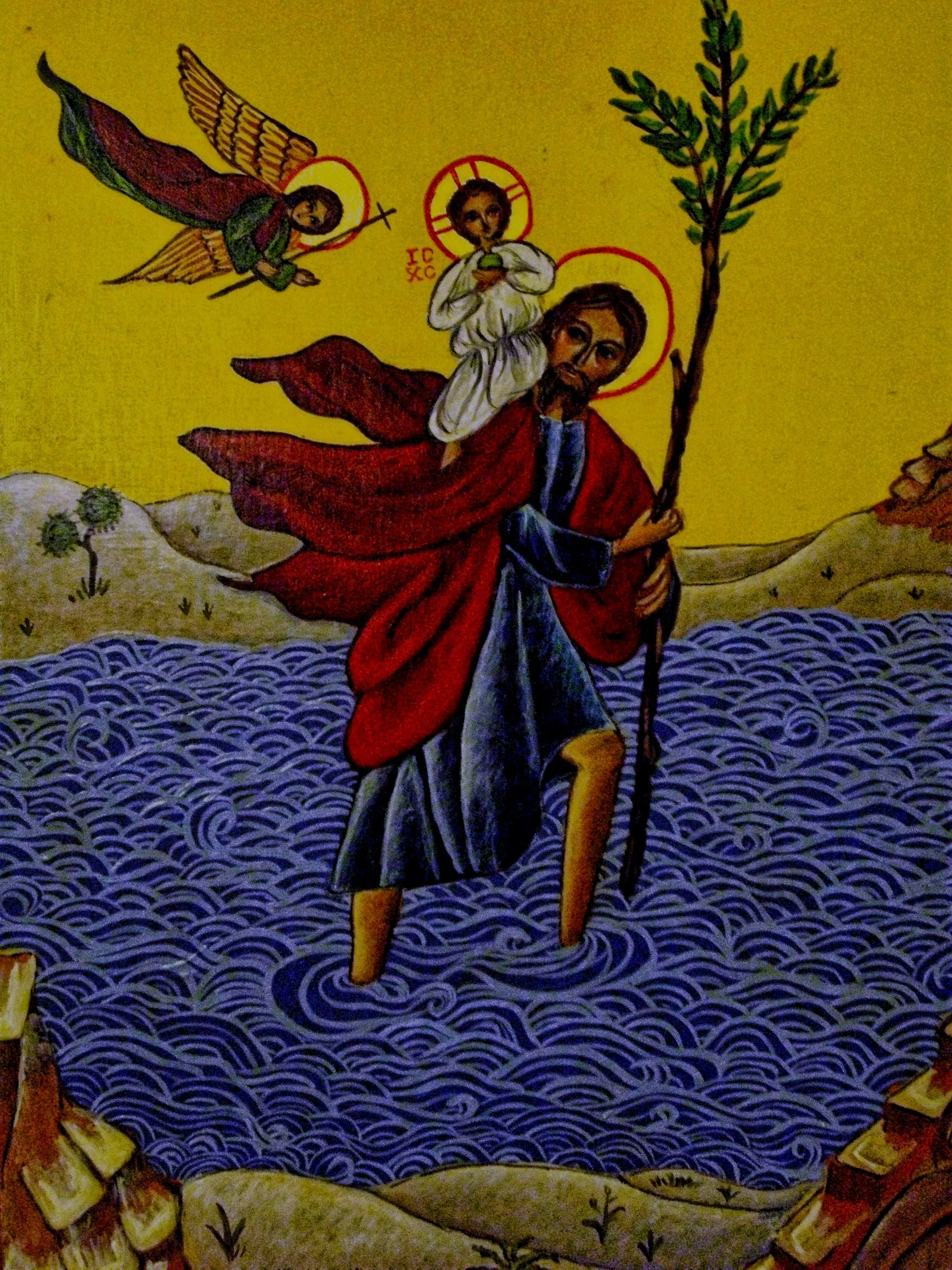
The Church is the one, holy, catholic, and apostolic community of the New Covenant. It is the Body of which Jesus
Christ is the Head of which all baptized persons are members. The mission of the Church is to restore all people to
unity with God and each other in Christ. The Church pursues its mission as it prays and
worships, proclaims the Gospel, and promotes justice, peace, and love. Anglicanism is often referred to as a "bridge" tradition. In an attempt to reconcile the views of the Reformers with those of the Roman Catholic Church, the Anglican tradition became a home for both. Most worshiping communities fall somewhere between Protestant and Catholic.
Christian Living
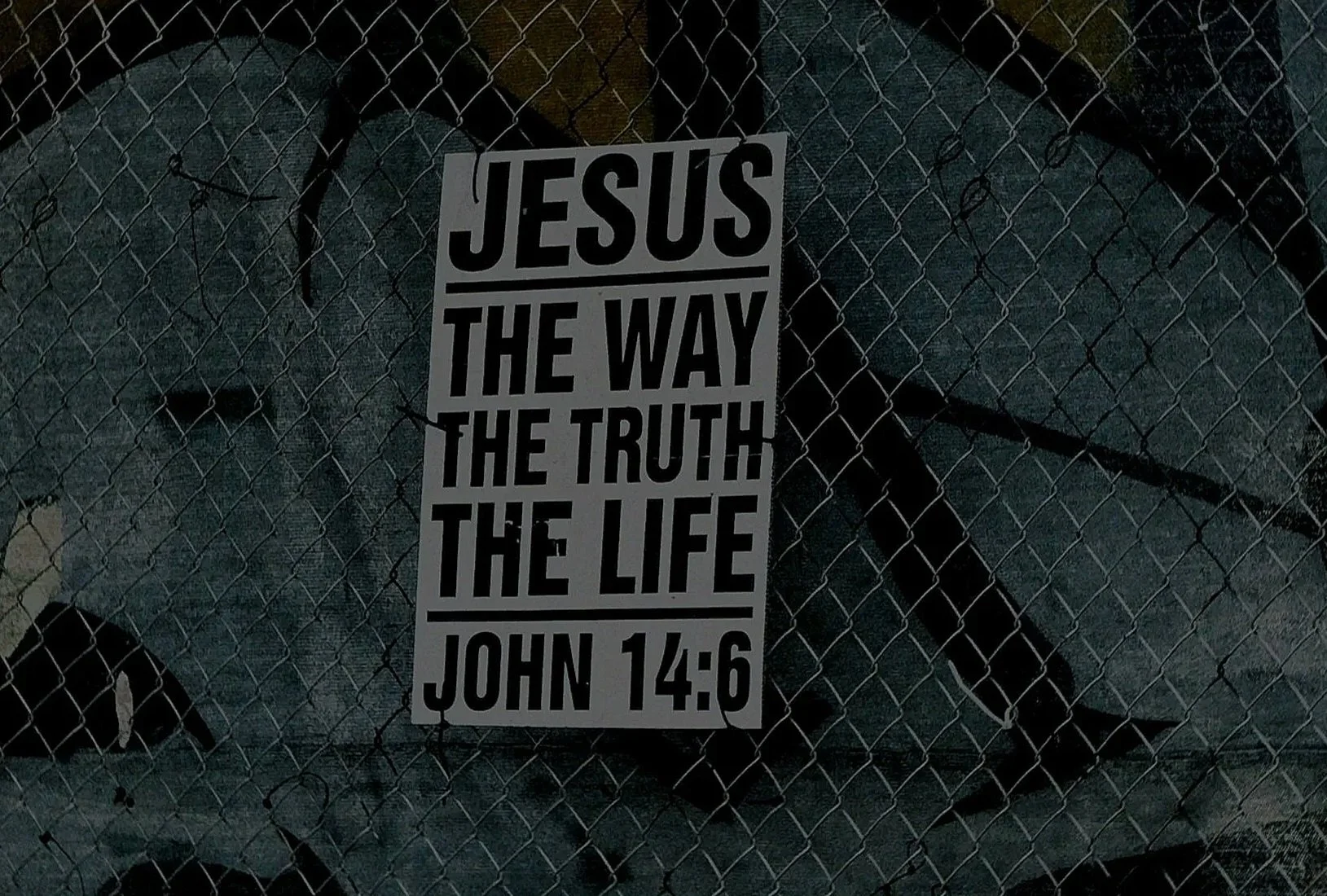
Our duty is to believe and trust in God; to love and obey God and to bring others to
know him, put nothing in the place of God, show God respect in thought, word, and
deed, and to set aside regular times for worship, prayer, and the study of God's ways. Our duty to our neighbors is to love them as ourselves, and to do to other people as we wish them to do to us.
Sacraments
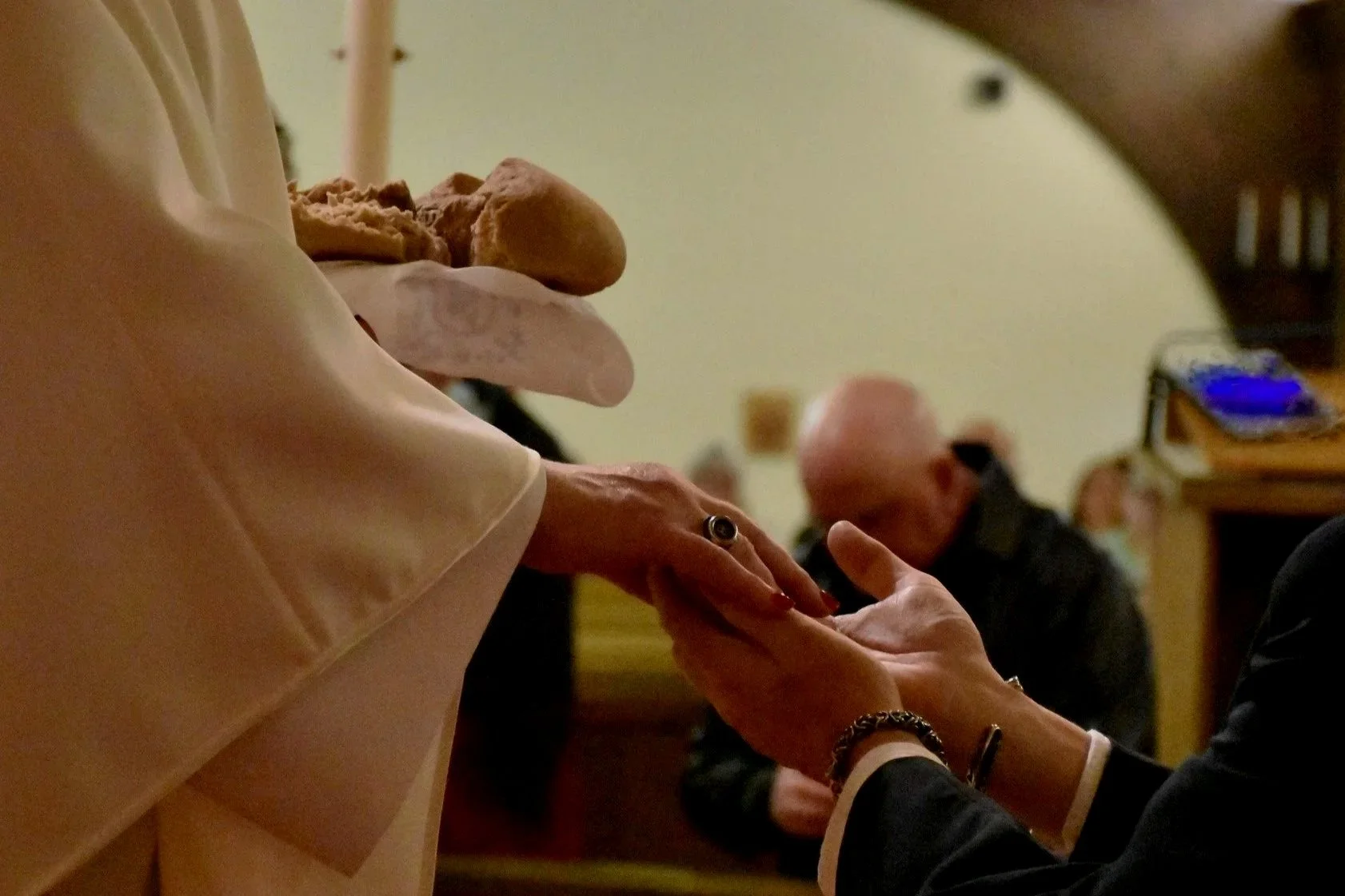
The sacraments are outward and visible signs of inward and spiritual grace, given by Christ as sure and certain means by which we receive that grace. Grace is God's favor towards us, unearned and
undeserved; by grace God forgives our sins, enlightens
our minds, stirs our hearts, and strengthens our wills. The two great sacraments given by Christ to his Church
are Holy Baptism and the Holy Eucharist.
We belong to The Episcopal Church (TEC)
The beliefs of the Episcopal Church are summed up in our Baptismal Covenant.
A mini catechism used at baptisms, Easter and other special occasions, the Baptismal Covenant opens with a question-and-answer version of the statement of faith that is the Apostles’ Creed and adds five questions regarding how we, as Christians, are called to live out our faith.
The above descriptions are paraphrased from The Book of Common Prayer and the TEC Website.
Get in touch
Whether you’re curious about St. Christopher’s, the Episcopal Church, or growing your faith, we’re here to help.